Origins of Springback Types of Springback Case Study in Springback Prediction Key Points Decades ago, the major concern in sheet metal forming was elimination of necks and tears. These forming problems are a function of plastic strain, and addressing them...
Elastic Modulus
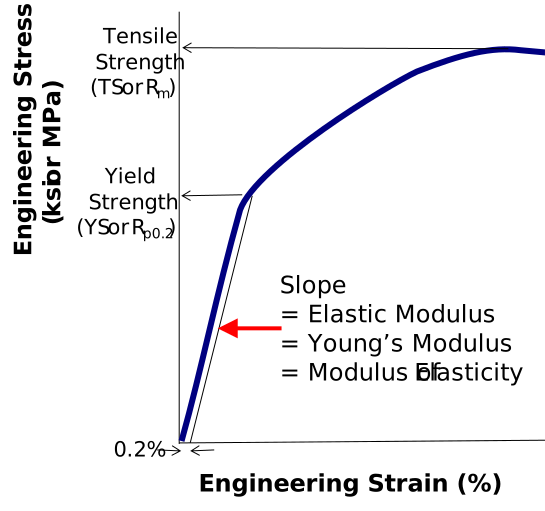
Elastic Modulus (Young’s Modulus) When a punch initially contacts a sheet metal blank, the forces produced move the sheet metal atoms away from their neutral state and the blank begins to deform. At the atomic level, these forces are called elastic stresses and the...
Quality Control
Process Maintenance and Quality Control Advanced High-Strength Steels (AHSS) applications are growing, where the high-strength body components help meet crash requirements, and thinner sections achieve weight reduction for improved fuel economy and lower overall...
Additive Manufacturing for Sheet Metal Forming Tools
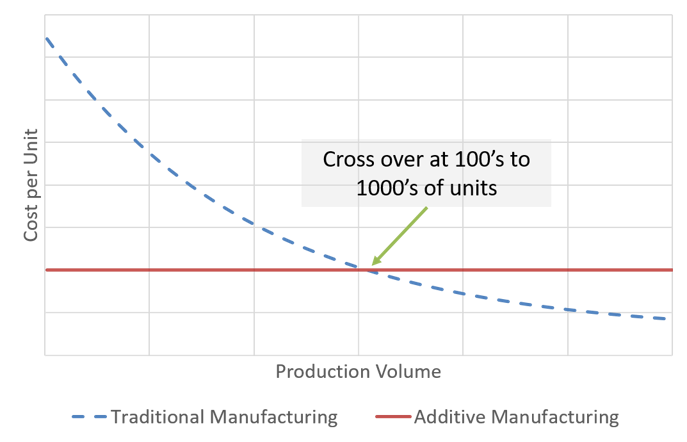
Polymer AM Tooling Polymer AM: Application in Hydroforming Polymer AM: Application in Traditional Forming Metal AM Tooling Metal AM: Application in Traditional Forming Metal AM: Application in Hot Stamping Summary Additive Manufacturing (AM) has been associated...
True Fracture Strain
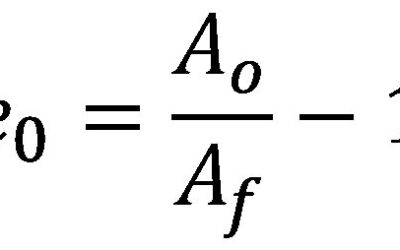
topofpage True Fracture Strain (TFS) Measurement Methods: Fracture Area (Af) True Fracture Strain (TFS) Measurement Methods: Fracture Types True Fracture Strain (TFS): Formability Classification and Rating System True Fracture Strain (TFS): Alternatives to TFS True...
M-Value
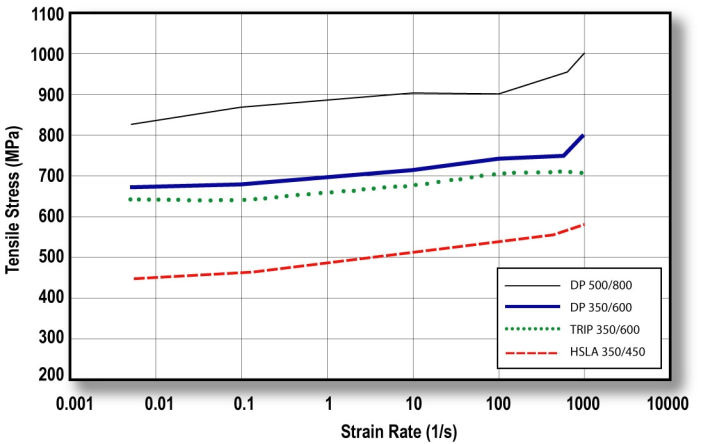
M-Value, Strain Rate Sensitivity All metals strengthen as they are deformed through a process called work hardening. However, the degree of strengthening may change as a function of the speed at which they are tested. In these cases, when local necking starts, the...
Crash Management
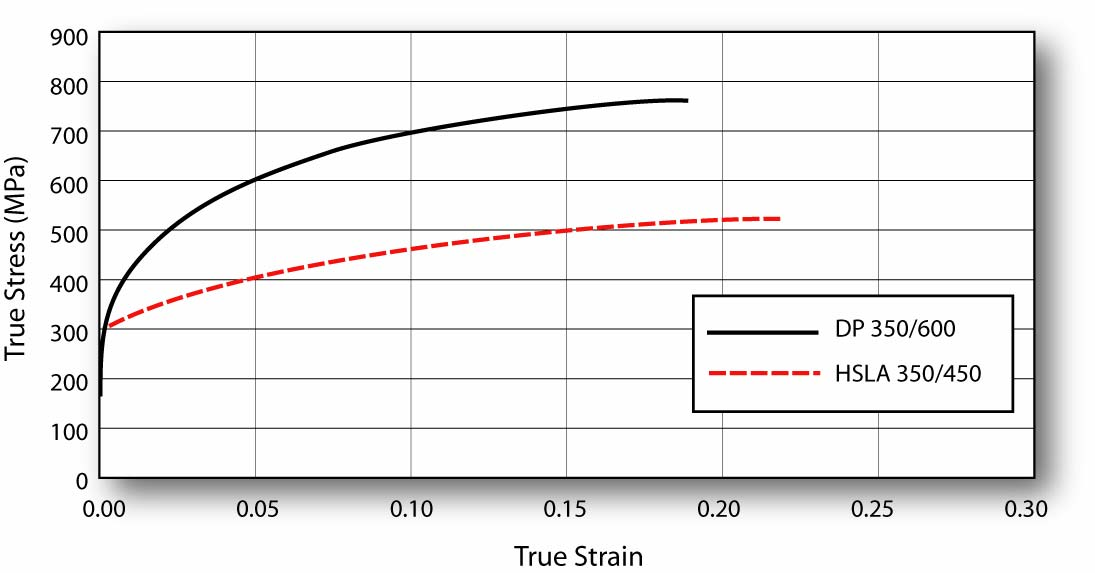
In addition to enhanced formability, Advanced High-Strength Steels (AHSS) provide crash energy management benefits over their conventional High-Strength Steel (HSS) counterparts at similar strength levels. Higher levels of work hardening and bake hardening at a given...
Forming Limit Curves (FLC)
topofpage Generating Forming Limit Curves from Equations Experimental Determination of Forming Limit Curves Differences between Forming Limit Curves and Forming Limit Diagrams If all stampings looked like a tensile dogbone and all deformation was in uniaxial tension,...
Circle Grid Strain Analysis (CGSA)
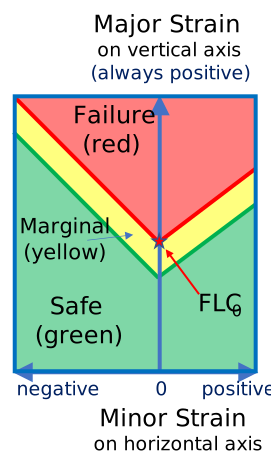
A Forming Limit Curve (FLC) is a map of strains indicating the onset of critical through-thickness necking for different linear strain paths. The FLC is dependent on the metal grade and the specific methods used in its creation. When paired with the strains...
Forming and Formability of AHSS
Introduction Approaches for forming higher strength steels evolved with the commercialization of increased strength levels of High Strength Low Alloy (HSLA) steels. Demands for greater crash performance while simultaneously reducing mass and cost have spawned...