Highlights of this page are summarized in the video below, but we encourage you to read more for a deeper understanding. Background...

High Strain Rate Testing
read more

Highlights of this page are summarized in the video below, but we encourage you to read more for a deeper understanding. Background...
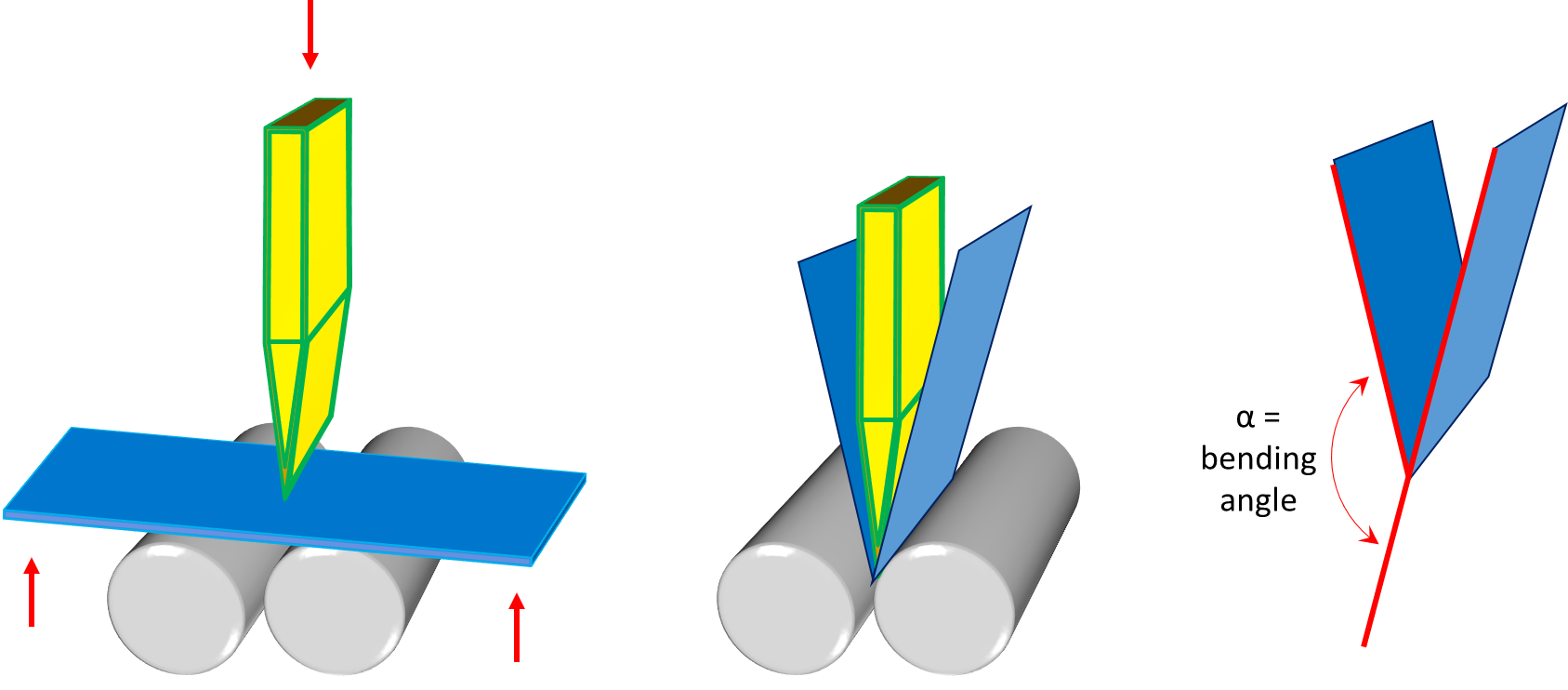
Tensile testing cannot be used to determine bendability, since these are different failure modes. Failure in bending is like other modes limited by local formability in that only the outermost surface must exceed the failure criteria. ASTM E290A-26, ISO 7438I-8, and...
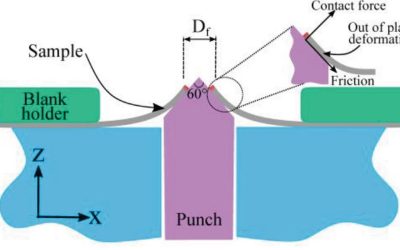
topofpage Hole Tension Test Edge Tension Test Side Bending Test Half-Specimen Dome Test (HSDT) Edge Flange Test Effect of Time on Edge Ductility The ISO 16630 Hole Expansion Test and the VDA238-100 bend test are among the few standardized tests to characterize...
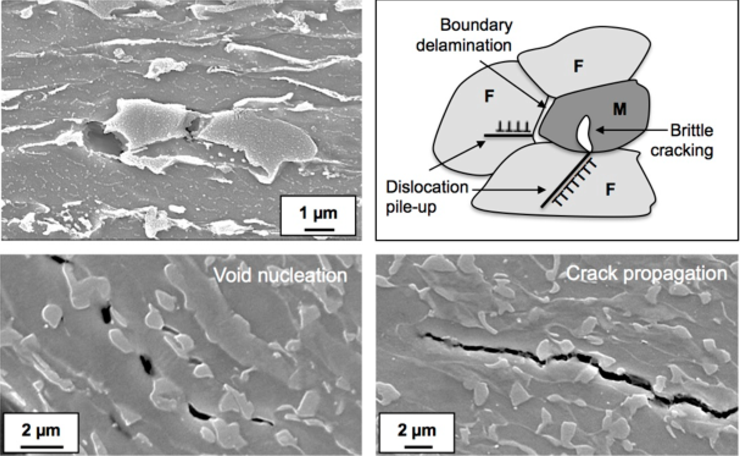
The Hole Expansion test (HET) quantifies the edge stretching capability of a sheet metal grade having a specific edge condition. Many variables affect hole expansion performance. By understanding the microstructural basis for this performance, steelmakers have been...
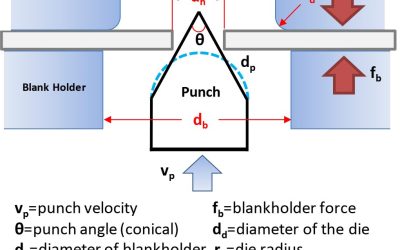
The term local formability describes when part and process design, in addition to sheet metal properties like strength and elongation, influence the amount of deformation the metal can undergo prior to failure. Cutting, punching or other methods of obtaining a...
Delayed cracking caused by hydrogen embrittlement results in decreased toughness, ductility, and load-bearing capacity of a material. It is a concern with some Advanced High-Strength steel (AHSS) grades. Three triggers must be present for there to be an embrittlement...
Many demands are placed on automotive body structures which influence the material selection process. The impact on safety, manufacturability, and longevity are among the most critical, with each of these balanced against cost and environmental concerns. Formed sheet...
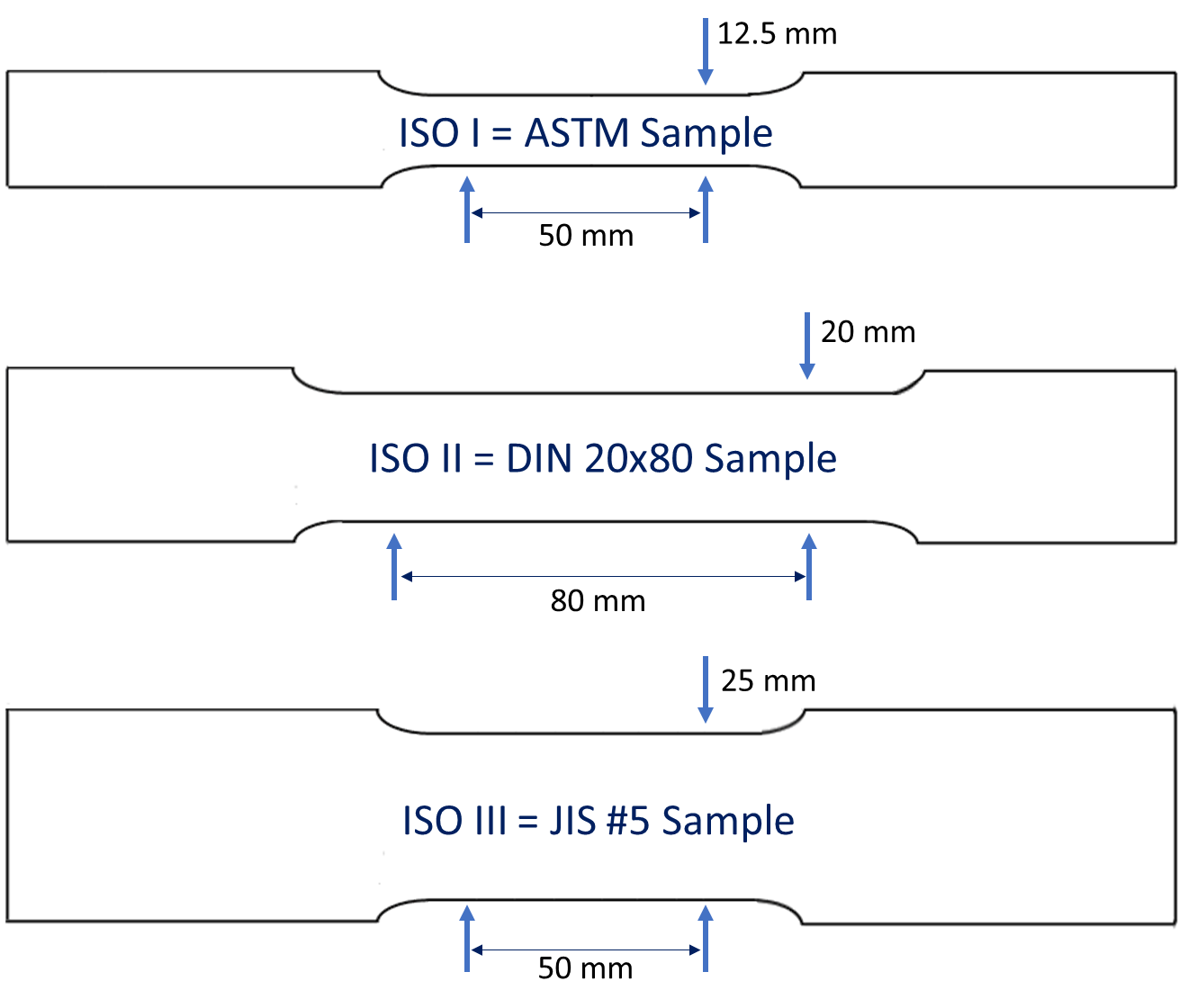
topofpage Sample Size and Shape Tensile Test Procedure Influence of Test Speed Influence of Tensile Test Equipment Tensile testing characterizes the forming and structural behavior of sheet metals. The test involves loading a sample with a well-defined shape along the...
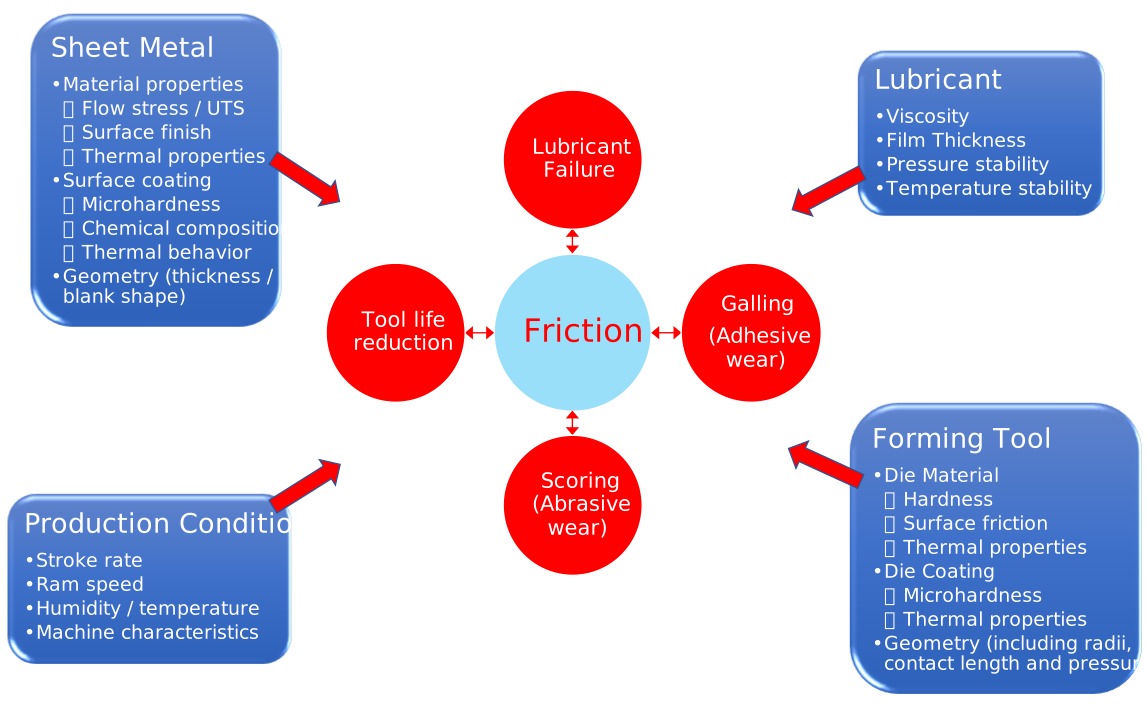
Friction is a restraining force that limits metal flow resulting from contact with another surface during sheet forming. Friction is influenced by the complex interaction between the sheet steel, lubricant, and tooling material, as well as many parameters of the...
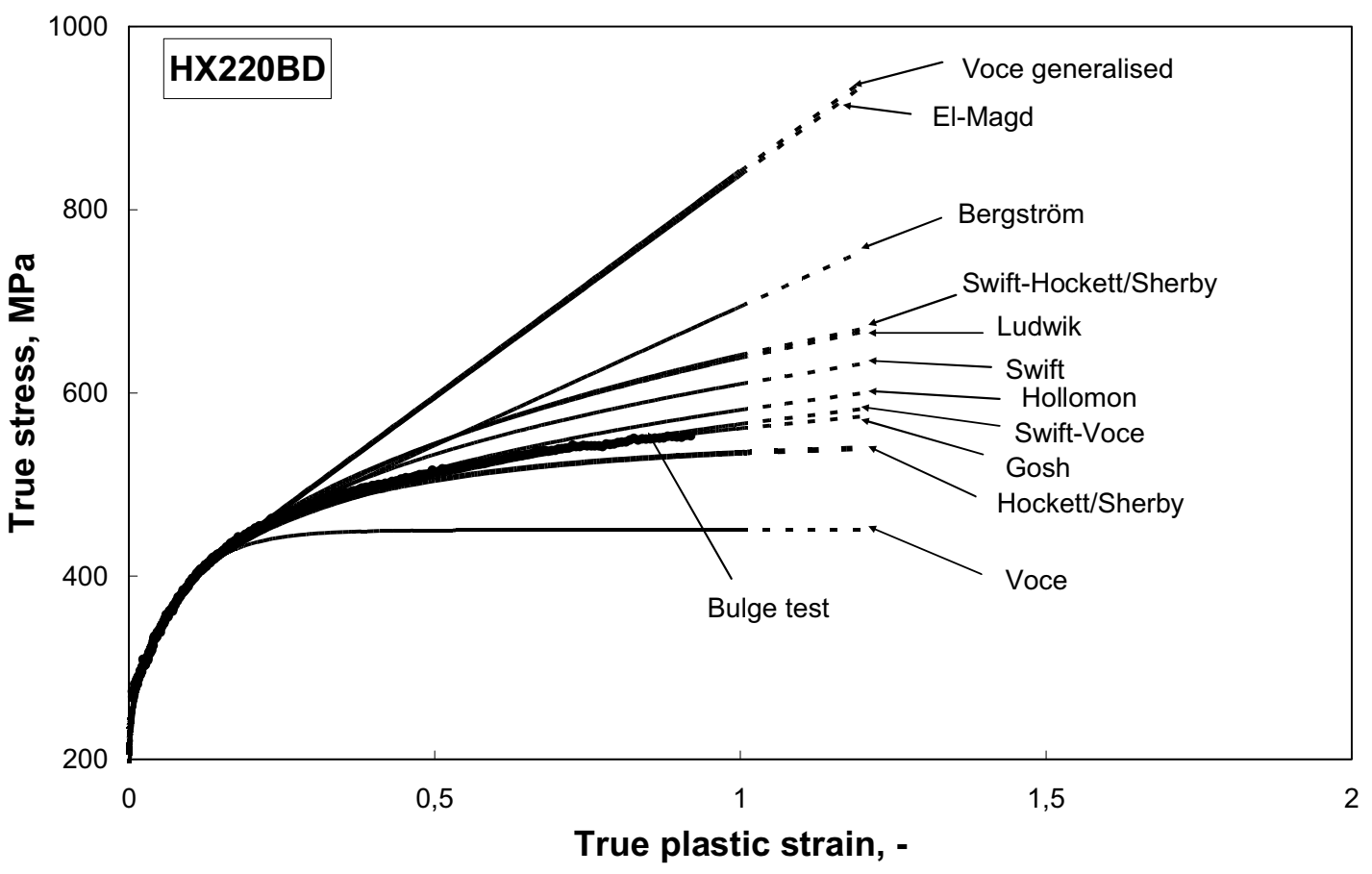
Local necking during uniaxial tensile testing limits the characterization of the stress-strain response to true strain values below uniform elongation. Extrapolating the true stress – true strain curve beyond uniform elongation requires selecting a hardening law on...